How to tame a growing pile of unplayed games
Many players own more games than they could ever finish. This guide offers a practical way to sort your backlog, choose what to play next and stop feeling guilty about the rest.
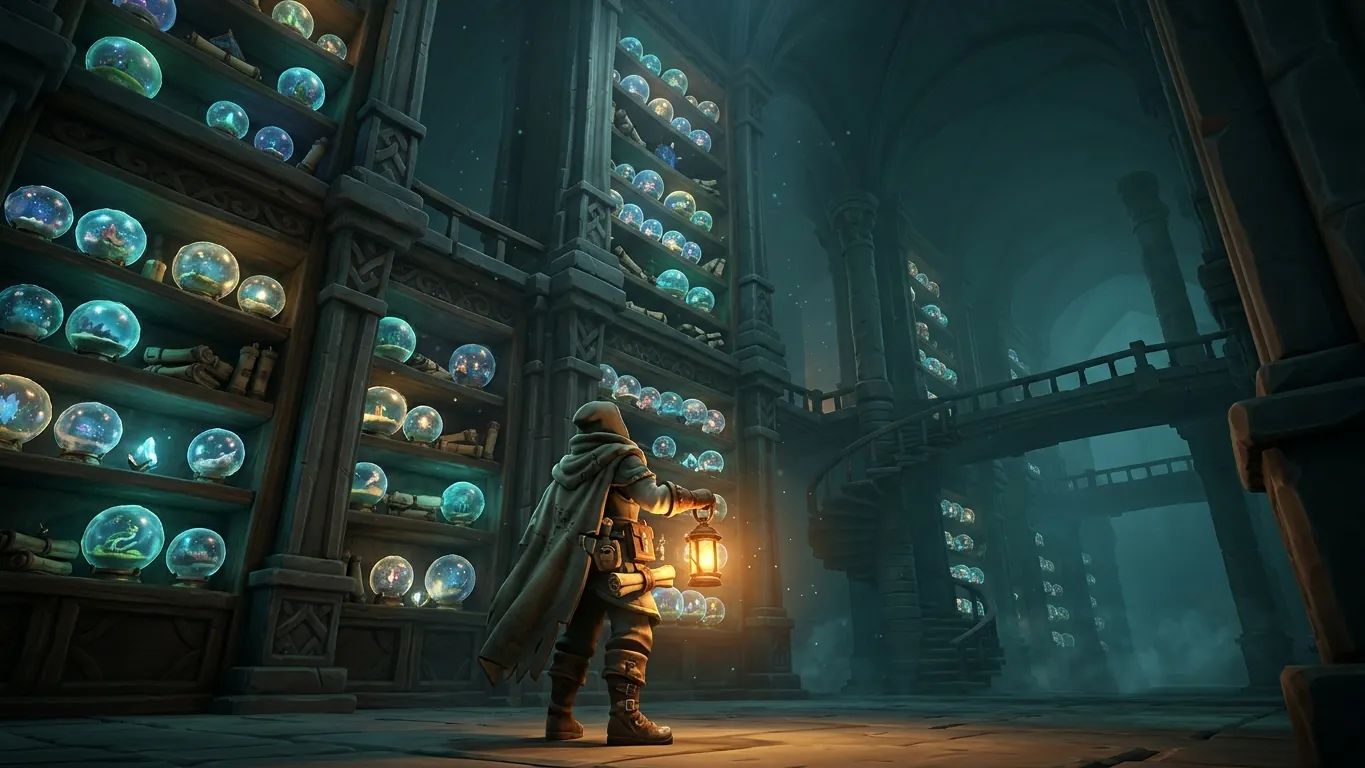
Why backlogs grow
Backlogs build up for understandable reasons. Sales and bundles make it easy to pick up games you might play someday. Subscription libraries put dozens of titles within reach. Friends recommend games, and new releases arrive faster than anyone could keep pace with.
Meanwhile, free time stays the same or shrinks. The result is a list of unplayed games that can start to feel less like a library and more like homework. Recognizing that this is common, and not a personal failing, is the first step toward a healthier relationship with your collection.
Sort by mood, not by obligation
Many people approach a backlog by starting with the oldest or most expensive game, out of a sense of duty. A more useful approach is to sort games by the kind of experience they offer and the energy they require.
You might group them into categories like long story adventures, quick sessions, relaxing builders and challenging games. When you sit down to play, ask what you are in the mood for tonight and choose from the matching group. This turns the backlog into a menu rather than a to-do list.
A backlog cleanup in five steps
Set aside one evening for this. It takes less time than you might think.
- 01
List everything
Write down the games you own but have not finished, across all platforms and libraries.
- 02
Mark genuine interest
Next to each one, note whether you still feel excited, curious or indifferent about it.
- 03
Group by mood
Sort the interesting ones into categories such as long adventure, quick session or relaxing.
- 04
Pick a short list
Choose three games to focus on next and set the rest aside for now.
- 05
Revisit occasionally
Every few months, update the list and move games in or out as your interests change.
Permission to quit
One of the most freeing ideas for a backlog is that you do not have to finish every game you start. If a game is not holding your interest after a fair try, it is fine to stop. Your time is limited, and spending it on something you are not enjoying means less time for something you would.
The same goes for games you never start. Some purchases were made on a whim, and that is fine. Removing them from your active list does not erase them, and you can always return later if your interest comes back.
Buying with more intention
Once your backlog feels manageable, it helps to think about how new games join it. Before buying, ask whether you would start playing the game within the next few weeks. If the honest answer is no, consider adding it to a wishlist instead.
This is not about restricting yourself. It is about making sure the games you own are ones you are genuinely looking forward to. A smaller, well-chosen collection often feels more inviting than an enormous one, and it makes deciding what to play next much easier.
Related articles
 A plain-language guide to video game genres
A plain-language guide to common video game genres, from role-playing games to strategy and survival, and how to use them to find your next game.
Read more
Why single-player stories still deserve your time
An opinion piece on why single-player story games still matter, what they do that other media cannot and why they suit players with busy lives.
Read more
 How to keep gaming when your calendar is full
Short on free time? Practical tips for fitting video games into a busy week, choosing games that suit short sessions and keeping the hobby enjoyable.
Read more