Why single-player stories still deserve your time
Online multiplayer gets a lot of attention, but story-driven single-player games offer something different. In this opinion piece we explain why we think they remain one of the most rewarding parts of the hobby.
The quiet appeal of playing alone
There is a particular pleasure in sitting down with a game that asks nothing of you except your attention. No teammates waiting, no schedule to match, no rankings to protect. You set the pace, pause whenever you like and return when it suits you.
For many adult players, that freedom is exactly what makes single-player games valuable. After a day spent responding to other people's needs, a self-contained story can feel like a well-earned retreat.
What games can do that films and books cannot
Films and books are powerful storytelling forms, but games add something unique: you take part. When a story asks you to make a hard choice, explore a ruined town at your own pace or carry a companion through a difficult stretch, the events feel personal in a way that watching or reading rarely does.
Games also tell stories through their spaces. A carefully placed note, an abandoned campsite or a changed landscape after a key event can say more than a long cutscene. Discovering these details yourself is part of what makes story-driven games memorable.
Pacing and the grown-up player
One common worry is that story games take too long to finish. Some certainly do, but many are designed with chapters or episodes that create natural breaks. Others are deliberately compact and can be finished over a few evenings.
In our experience, the key is to treat a story game a bit like a good television series: a chapter or two at a time, with space between sessions to think about what happened. Keeping a short note of where you are in the plot can help if your sessions are spread out. There is no rush, and the story will wait for you.
Stories in multiplayer worlds
This is not an argument against multiplayer. Online games create their own stories, often unplanned: the comeback that should not have worked, the friend who saved the mission at the last second. Those moments matter too.
But they are a different kind of story, shaped by people and chance rather than by a writer's intent. Single-player games offer a crafted narrative with a beginning, middle and end, and that structure brings its own satisfaction. A healthy gaming diet can easily include both.
Why we keep coming back
We think single-player story games endure because they meet a need that does not go away: the desire to be absorbed in another world for a while and to come out the other side with something to think about. They can be thrilling, moving, funny or quietly reflective.
If you have drifted away from them because of time or habit, consider picking one up again, perhaps a shorter one to start. You may find it is exactly the kind of escape a busy life needs. That is our view, at least, and we would be glad to hear yours.
Related articles
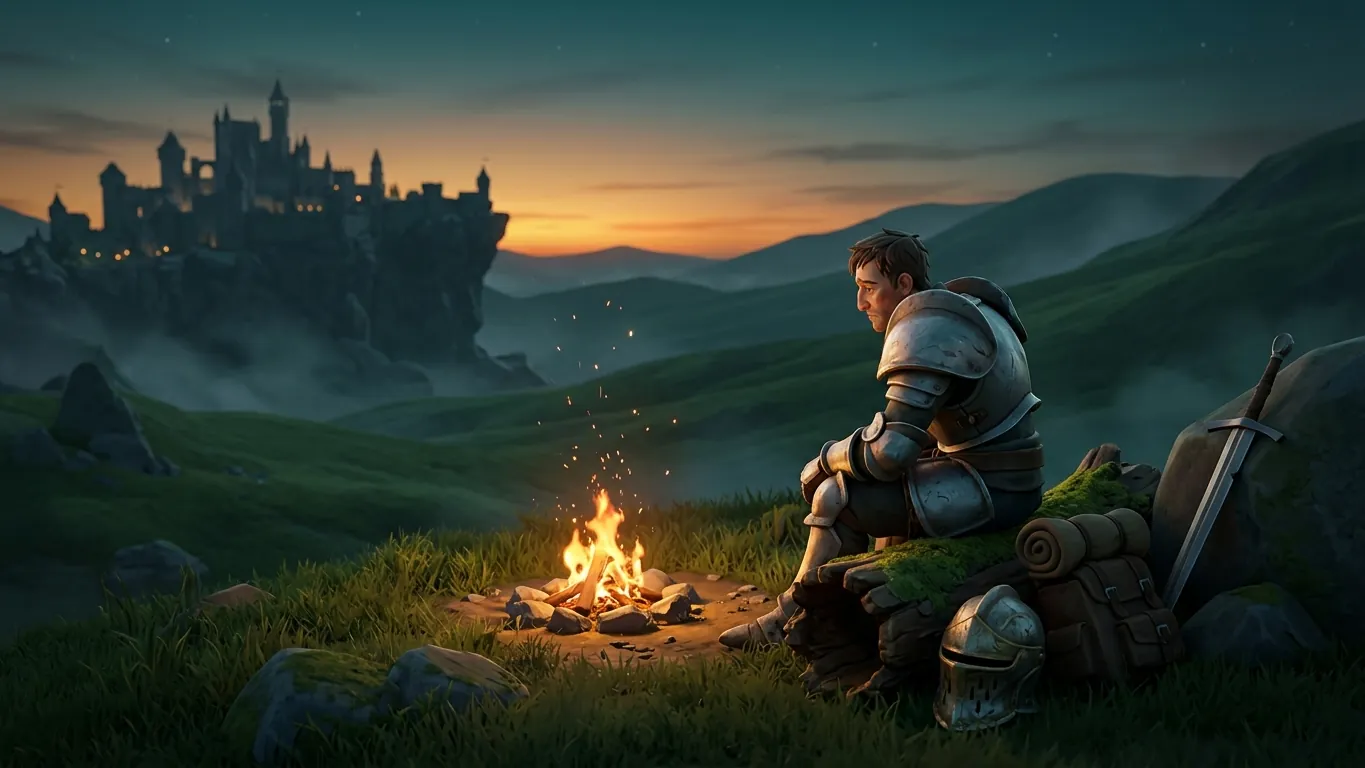 How to keep gaming when your calendar is full
Short on free time? Practical tips for fitting video games into a busy week, choosing games that suit short sessions and keeping the hobby enjoyable.
Read more
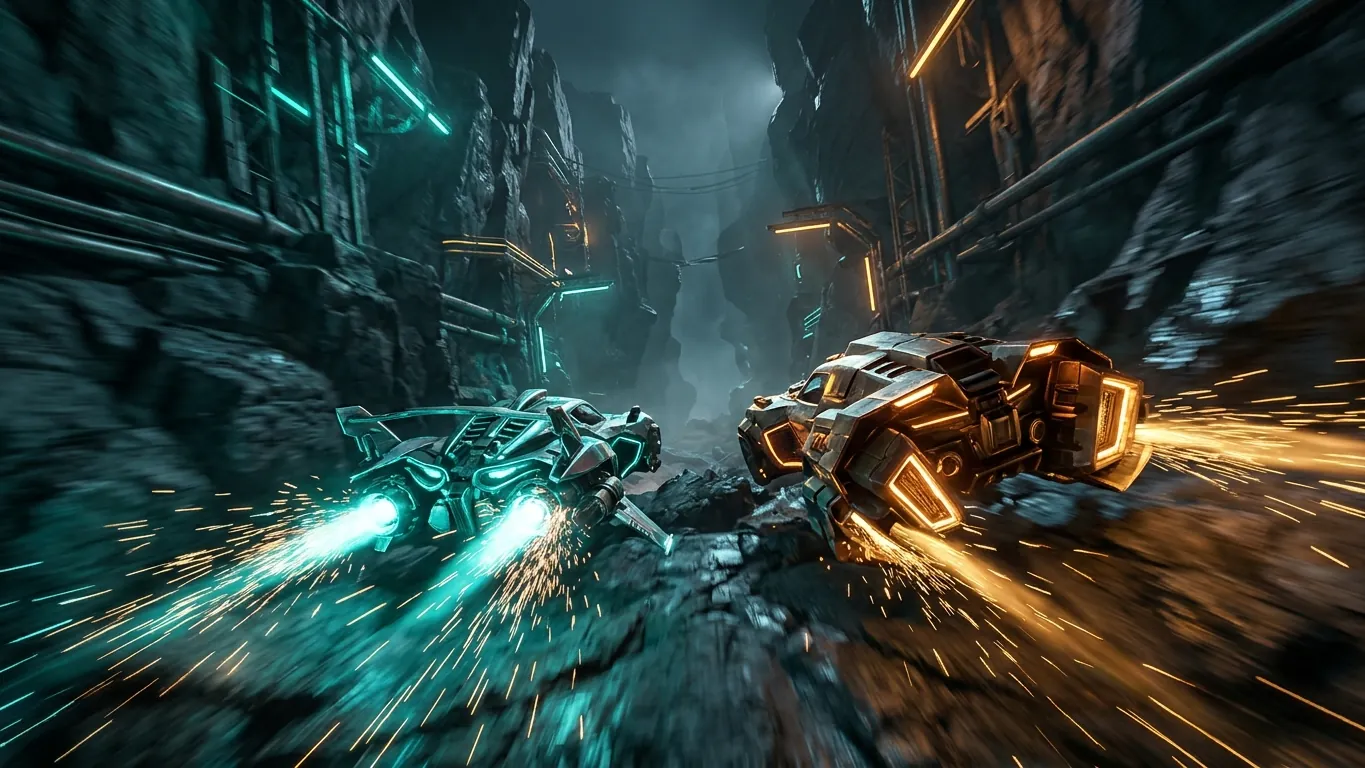 PC or console: choosing where you want to play
PC or console? A calm, practical look at what each gaming platform does well and the questions to ask yourself before you decide where to play.
Read more
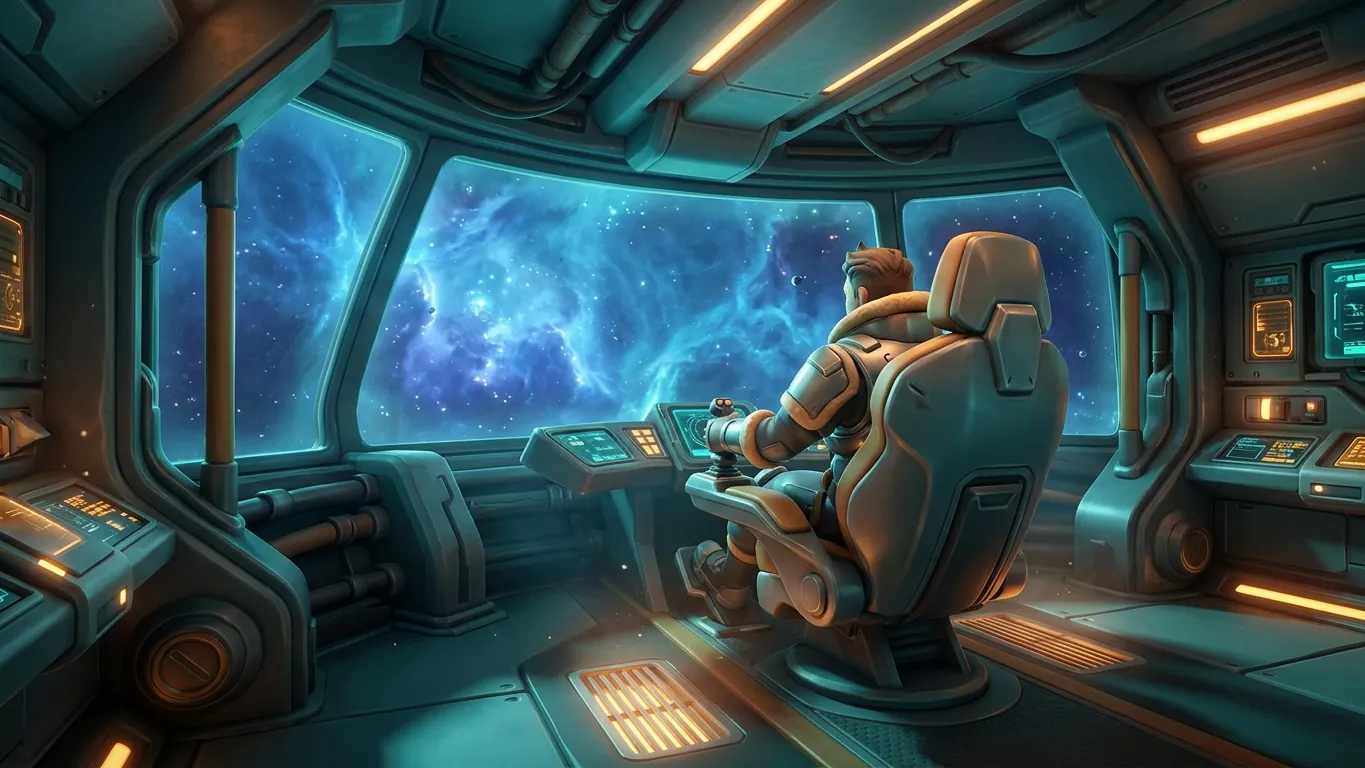 Building a gaming space that feels good to sit in
How to set up a comfortable gaming space: seating, screen placement, lighting, sound and cable management, explained step by step for home players.
Read more