Easy, normal or hard: pick the level that fits you
Difficulty settings are tools, not tests of character. In this opinion piece we look at what they change and why the right choice depends on what you want from a game.
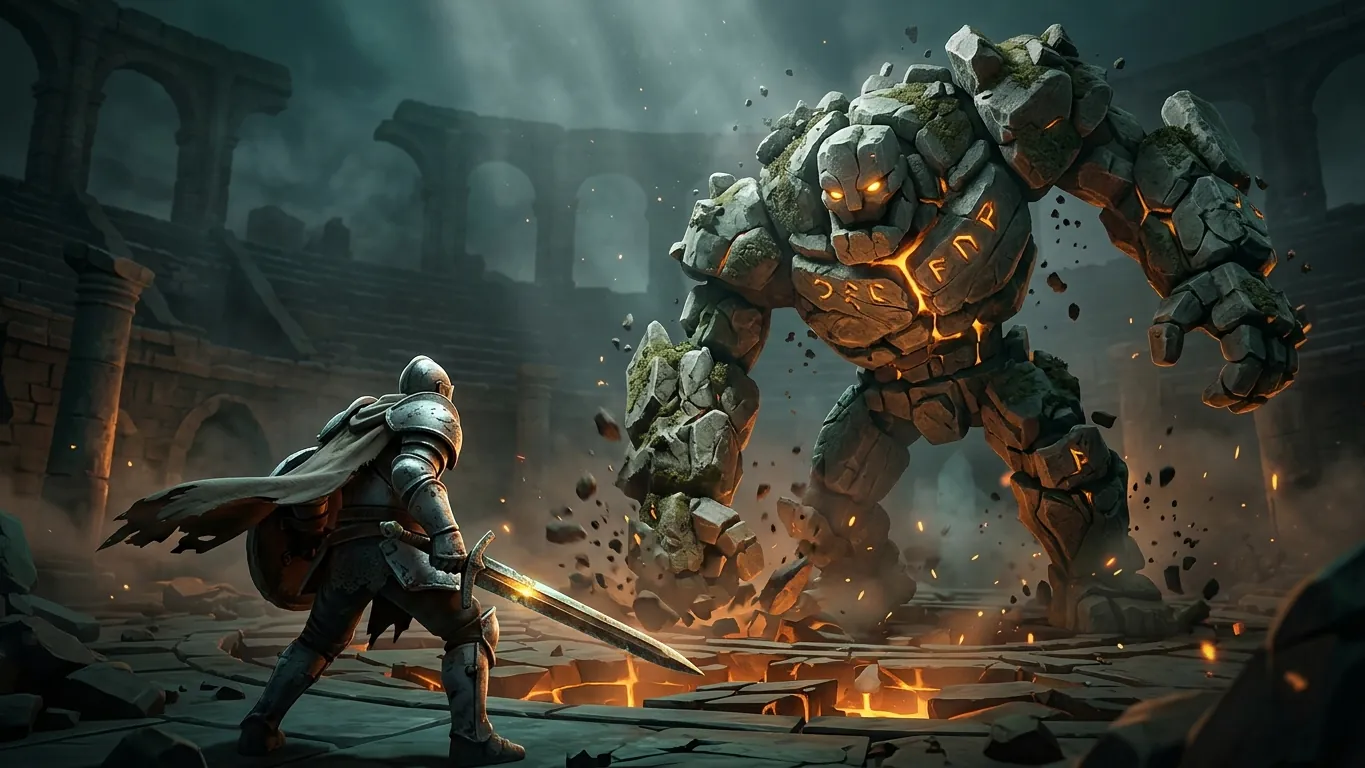
What difficulty settings actually change
Difficulty settings are not the same in every game. In some, a harder setting simply makes enemies hit harder and take more damage. In others, it changes enemy behavior, reduces the resources you find, removes helpful hints or limits how often you can save.
Easier settings might slow enemies down, give you more health, add aiming help or make puzzles more forgiving. Some games let you adjust individual parts separately, so you could keep combat challenging while making exploration more relaxed. Before choosing, it is worth reading the short description most games show for each level.
The case for playing on easier settings
Many adult players have limited time. If you get one free evening a week, spending it repeating the same tough section can feel more frustrating than fun. An easier setting lets you enjoy the story, the world and the atmosphere, and it lets you actually reach the ending.
There is also nothing wrong with playing a game for its narrative. Some games are built around characters and settings first and challenge second. Choosing a lower difficulty for those is simply matching the setting to the reason you are playing.
In our view, the idea that easy modes are somehow less legitimate does not hold up. You bought the game, and you decide how to experience it.
The case for a real challenge
At the same time, difficulty can be part of what makes a game memorable. Overcoming a tough boss after several attempts, or finally understanding a system that seemed impossible, brings a particular kind of satisfaction. Some games are designed around that feeling, and their difficulty is part of the intended experience.
If you enjoy that kind of challenge and have the time and patience for it, a higher setting can make the game more engaging. The key is that you choose it because you want it, not because you feel you are supposed to.
Accessibility options are not cheating
Many modern games include accessibility options, such as subtitles, color adjustments, remappable controls, hold-to-press alternatives and assist modes. These features help players with different abilities, but they can also help anyone who is tired, playing with a minor injury or simply prefers a different control style.
Using them does not take anything away from anyone else. In single-player games especially, the only person affected by your settings is you.
Our take
We think the healthiest approach is to start on the setting the game recommends, or one level below if you are unsure, and adjust as you go. If you find yourself bored, turn it up. If you dread sitting down to play, turn it down. Most games allow changes at any time, and many do not penalize you for it.
Difficulty is one more way to shape a game around your life. Use it without second-guessing, and spend your energy enjoying what the game has to offer. You may disagree, and that is fine; the point is that the choice belongs to you.
Related articles
 Keeping friendships going through co-op games
Tips for playing co-op games with friends as an adult: choosing the right games, organizing a regular game night and keeping voice chat friendly.
Read more
 How to tame a growing pile of unplayed games
Too many unplayed games? A practical guide to sorting your backlog by mood, finishing what matters to you and letting go of the rest without guilt.
Read more
 A plain-language guide to video game genres
A plain-language guide to common video game genres, from role-playing games to strategy and survival, and how to use them to find your next game.
Read more